




FOLKLORE RISING BOOK OUT NOW

LATEST PAINTINGS
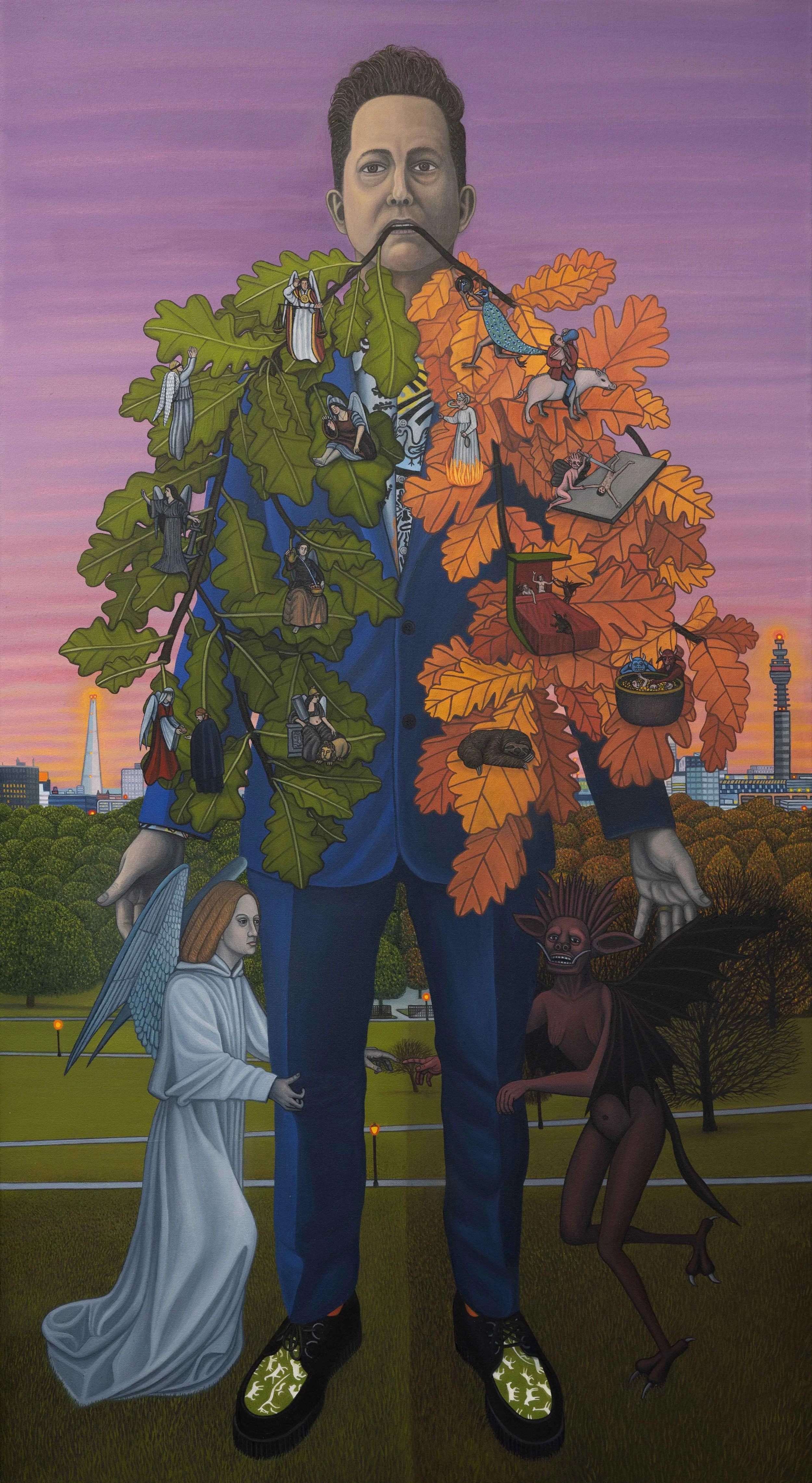
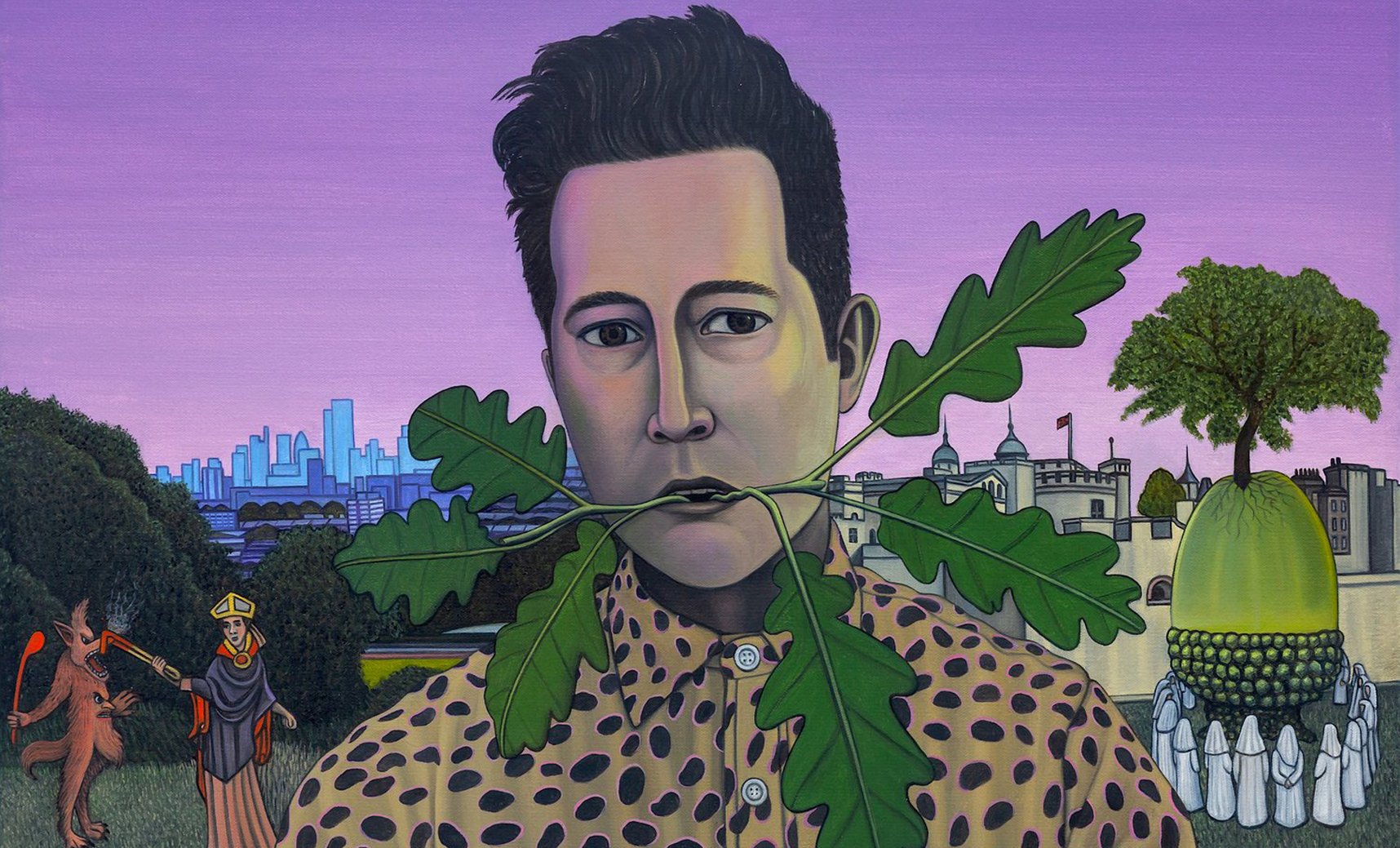
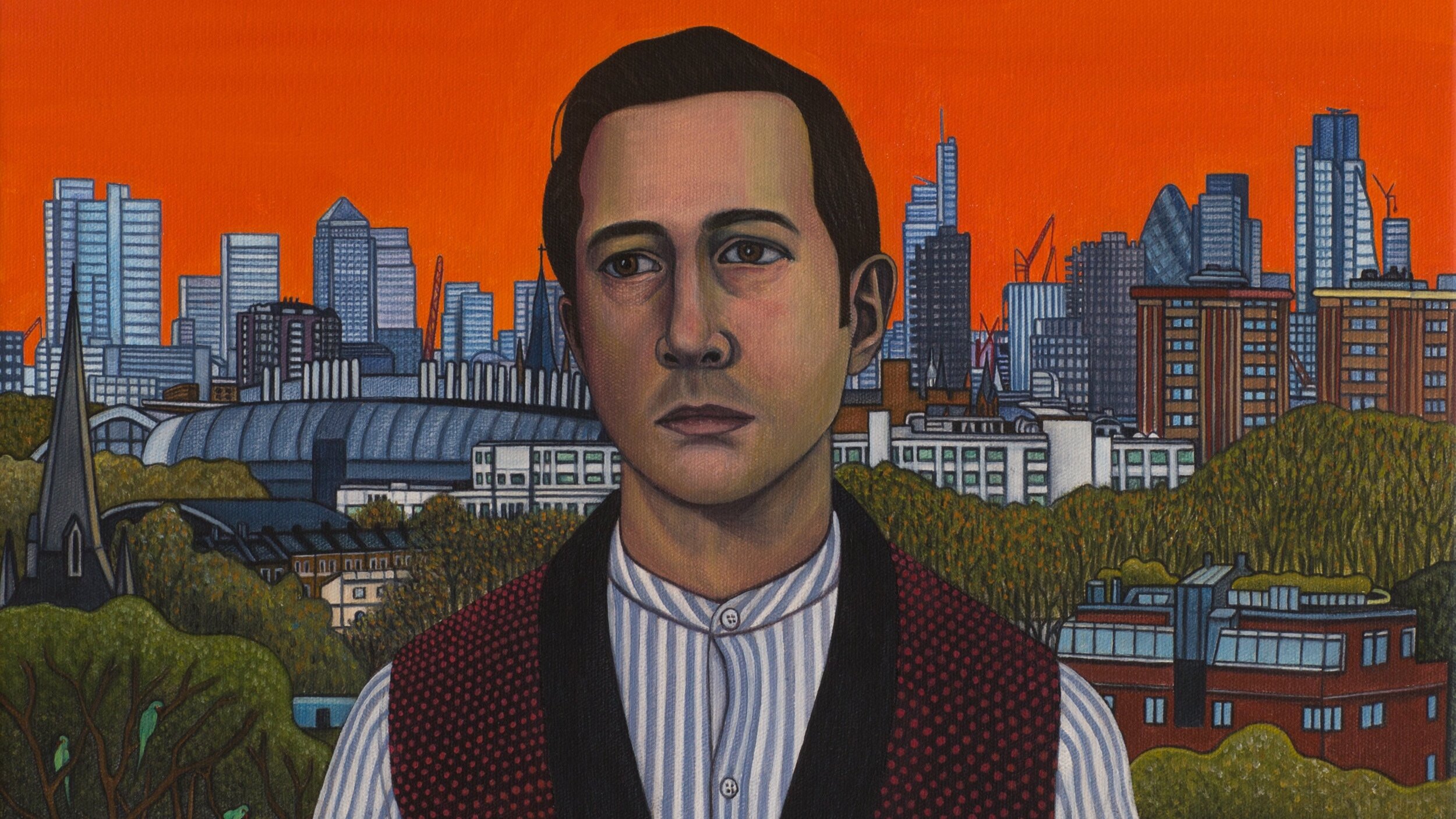
This self-portrait explores the process of shadow work and marks the end of a two year period of psychoanalysis. Shadow work is the psychological process of confronting and integrating the hidden or repressed parts of ourselves — the traits, desires and impulses we often prefer not to acknowledge.
Branching from the mouth are two oak boughs, the green spring leaves containing the Seven Virtues and the withering autumnal leaves containing the Seven Deadly Sins. At the base of the painting an angel and a demon clutch to my legs and reach toward one another, echoing the gesture from Michelangelo’s Creation of Adam. Rather than God giving life to man, the moment here suggests the meeting of light and shadow within the individual and the process of psychological integration.
As the psychologist Carl Jung wrote: “One does not become enlightened by imagining figures of light, but by making the darkness conscious.”
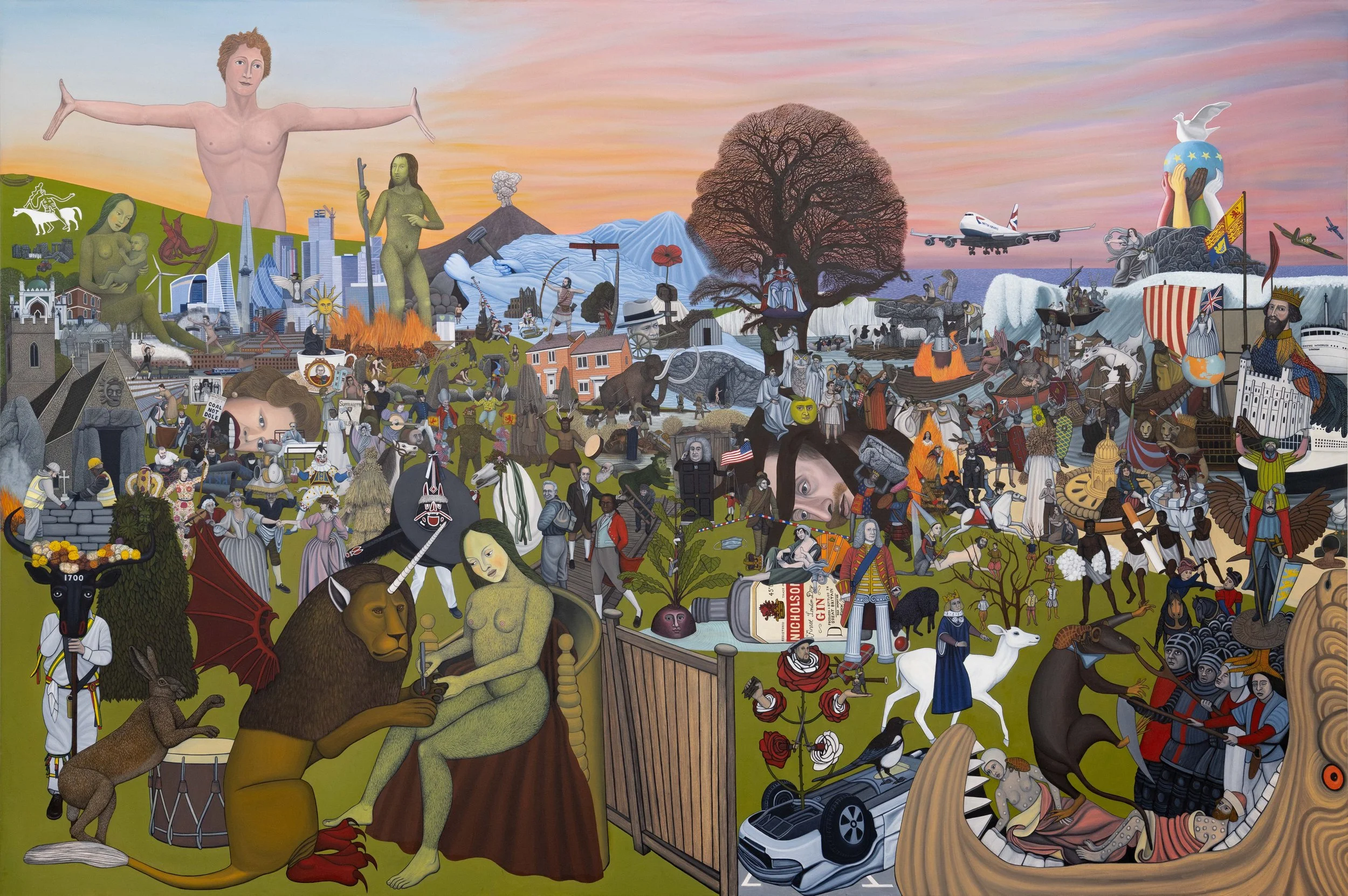
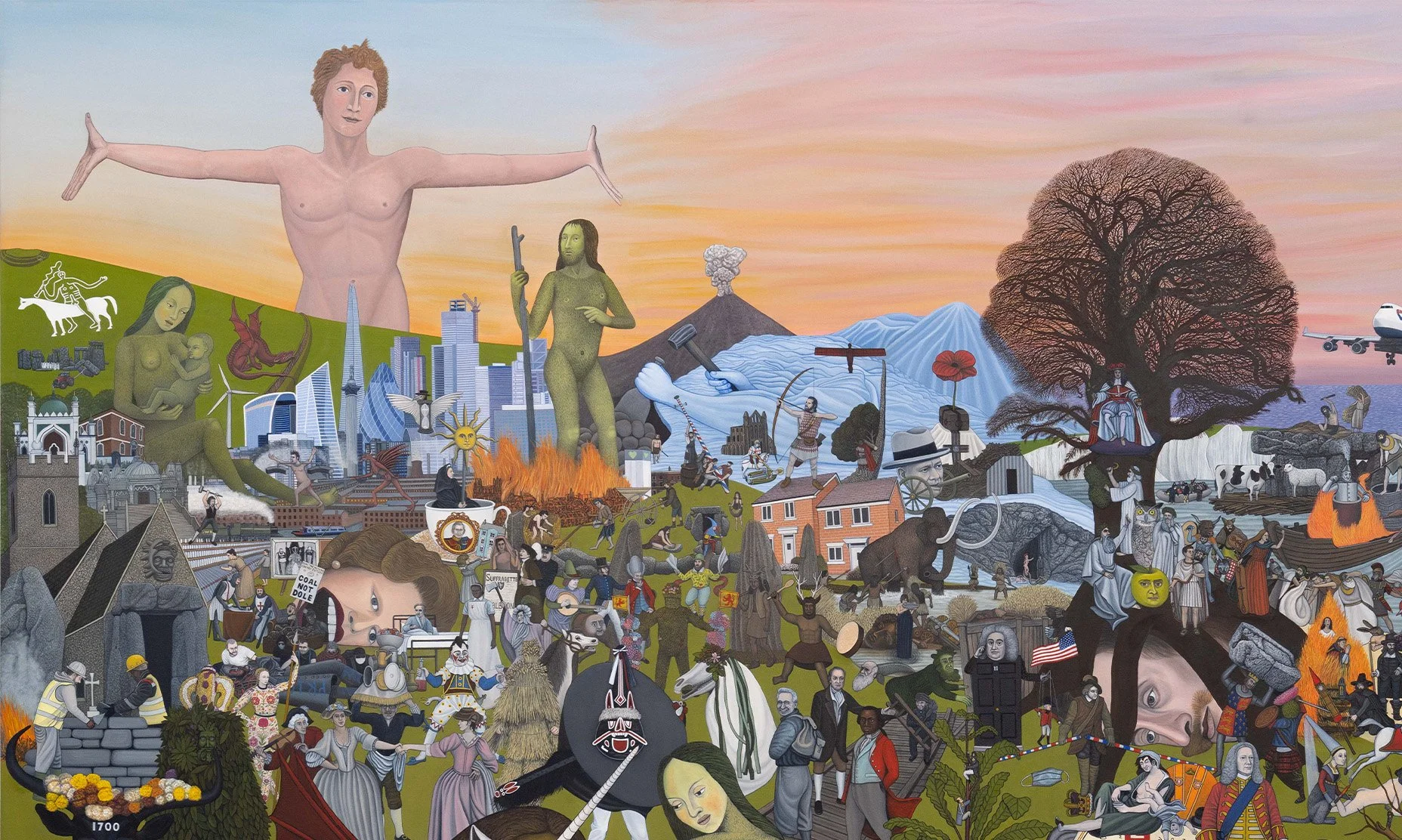
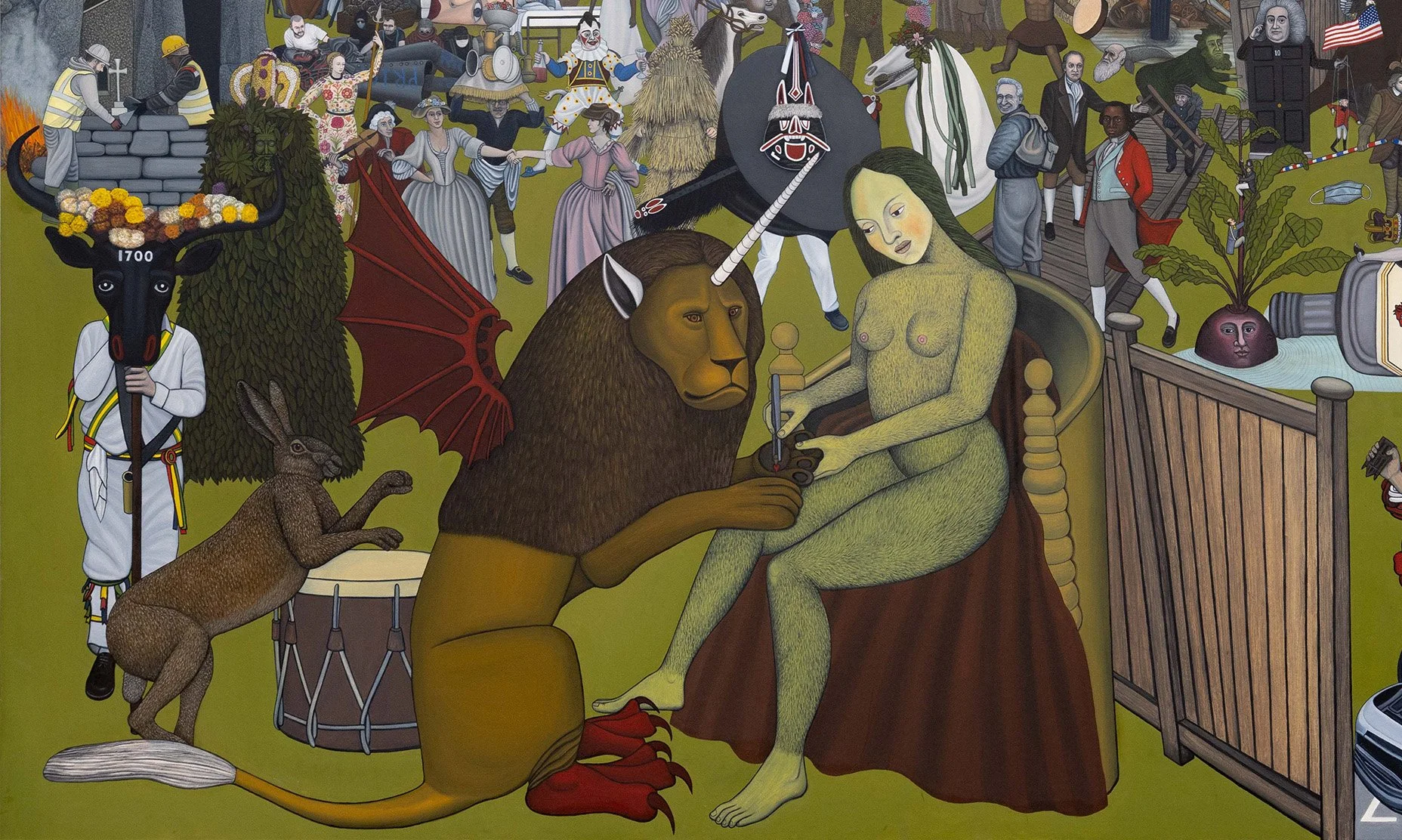
Children of Albion is a mythological history of Britain, bringing together folklore, history and imagination to explore the forces that have shaped these islands from prehistory to the present day. At its centre stands Albina, the legendary founder of Albion. According to medieval legend, Albina and her thirty-three sisters were exiled from their homeland after rebelling against their tyrannical father. They sailed across the sea to an uninhabited island, which they named Albion after Albina herself, before coupling with the spirits of the land to give rise to a race of giants, one of Britain's oldest foundation myths. Inspired by William Blake's vision of Albion as the ancient spirit of Britain, the painting reimagines this legend as a living story through which to explore Britain's evolving identity.
History unfolds simultaneously across the composition, where ancient rituals, migrations, invasions, folklore and imagined narratives become intertwined within a single symbolic landscape. Rather than presenting Britain's past as a sequence of isolated events, the painting reflects on the ways in which people, cultures and ideas continually shape one another across time. It acknowledges both the achievements and the darker chapters of our shared history—including conquest, colonialism, social injustice and the enclosure of the land—suggesting that an honest engagement with the past is essential if we are to imagine a better future.
At the heart of the painting is a hybrid figure combining the lion, unicorn and dragon, embodying Britain itself. In the distance, this creature first appears as an innocent child, cradled and breastfed by Albina, a symbolic Earth Mother nurturing the spirit of the nation at its birth. In the foreground, that same child has grown into a wounded hybrid beast, burdened by centuries of history, conflict and an increasingly polarised national identity. As a thorn is gently removed from its paw, the painting's emotional centre emerges: an act of care that becomes a metaphor for healing. Rather than portraying Britain as either heroic or broken, the work suggests that renewal begins through compassion, reflection and a willingness to confront the wounds we have inherited.
Ultimately, Children of Albion offers a hopeful vision of Britain. It imagines the nation not as something defined by the purity of its origins, but as a living culture continually shaped through migration, exchange and reinvention. By reawakening the ancient spirit of Albion through the poetic imagination, the painting proposes that our greatest strength lies not in denying the complexity of our past, but in recognising our shared humanity and our interconnected relationship with one another, the land and the living world.

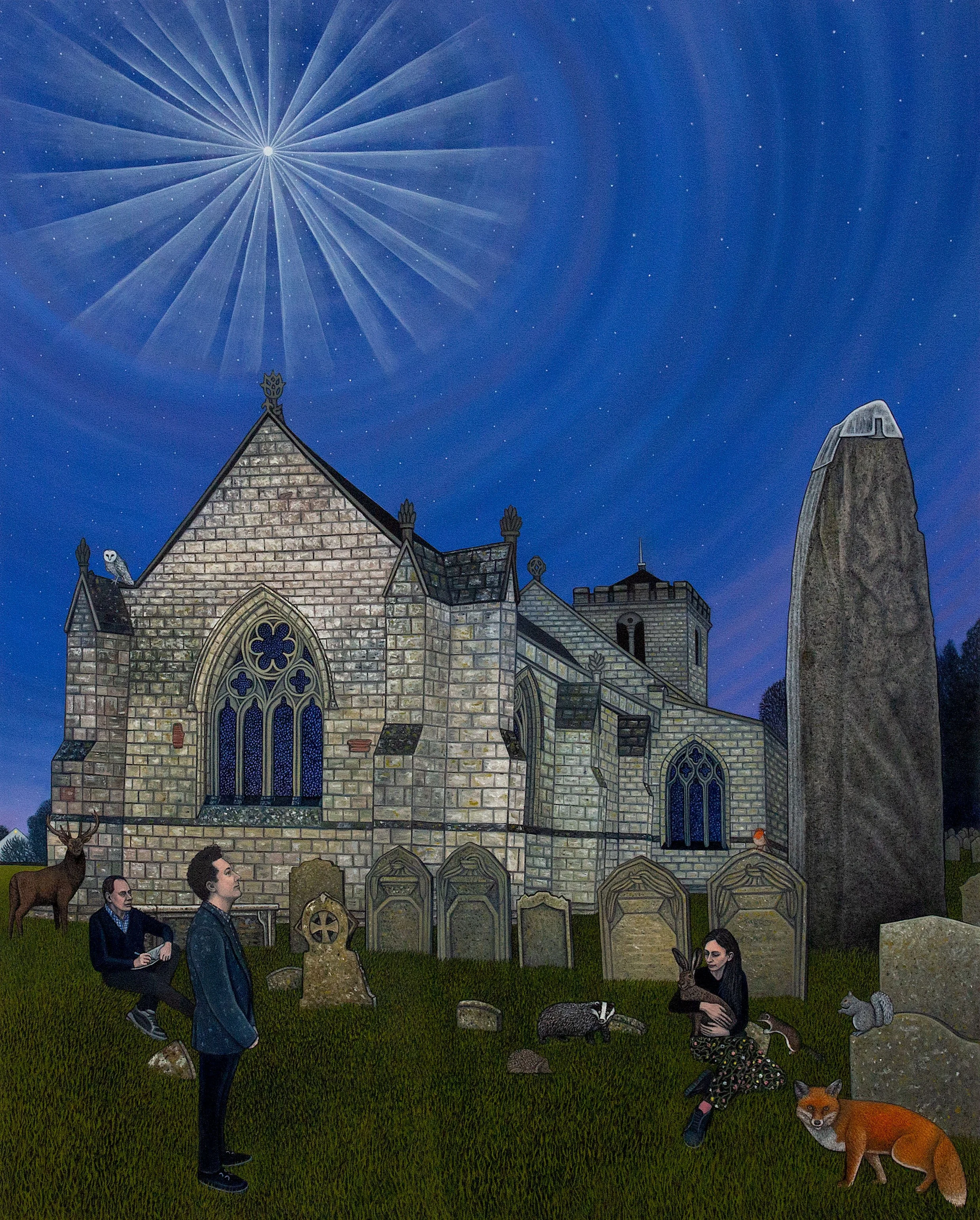
Dreaming at Rudston Monolith depicts the Rudston Monolith in the East Riding of Yorkshire, the tallest standing stone in Britain, which has stood beside the parish church of All Saints for thousands of years. The juxtaposition of these two monuments speaks to humanity's enduring search for meaning, suggesting that both prehistoric ritual and organised religion are different expressions of the same encounter with the Great Unknown.
In the painting I place myself within the churchyard gazing towards the monolith, while a female figure, representing the divine feminine, is surrounded by animals as she gently cradles a hare. Separated by a band of shadow, the two figures evoke the tensions and complementarities between masculine and feminine ways of relating to the world. Above them, an echo of the Big Bang unfolds across the night sky, connecting the ancient stone, the church and the landscape to the wider story of the cosmos.

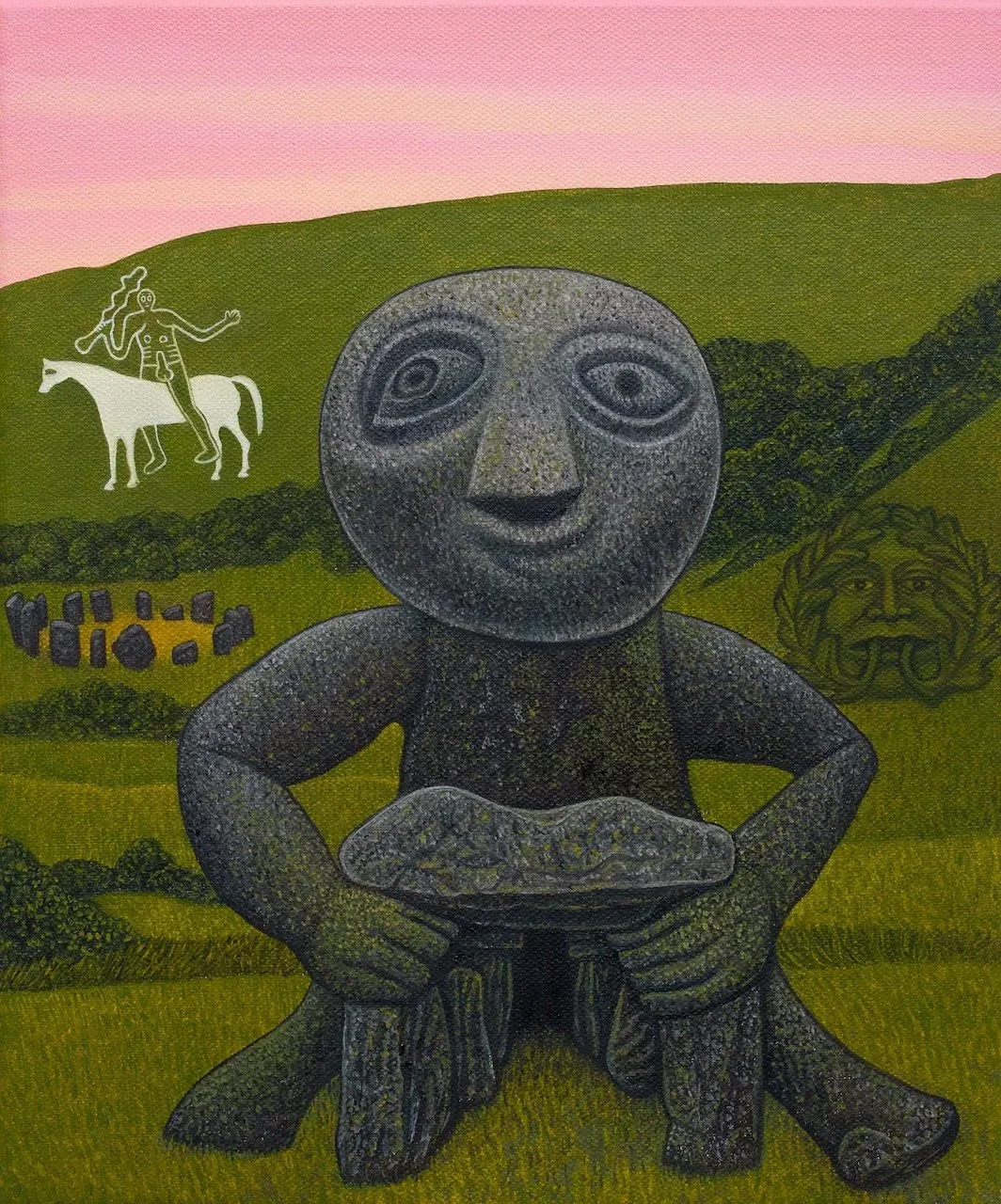
Earth Mother brings together a constellation of prehistoric monuments, folk traditions and sacred symbols to explore the enduring presence of the divine feminine within the British landscape. At its centre is a figure inspired by the Sheela na Gig of Kilpeck Church, hybridised with the form of West Kennet Long Barrow, uniting two ancient symbols associated with birth, fertility and the generative power of the Earth.
Across the surrounding hills appear a stone circle, the Green Man, the Cerne Abbas Giant and the Westbury White Horse. Together these masculine symbols emerge from, rather than stand apart from, the primordial Earth Mother, suggesting that humanity's myths and sacred traditions are rooted in the same living landscape.

100cm X 80cm, Oil on Canvas. 2023.
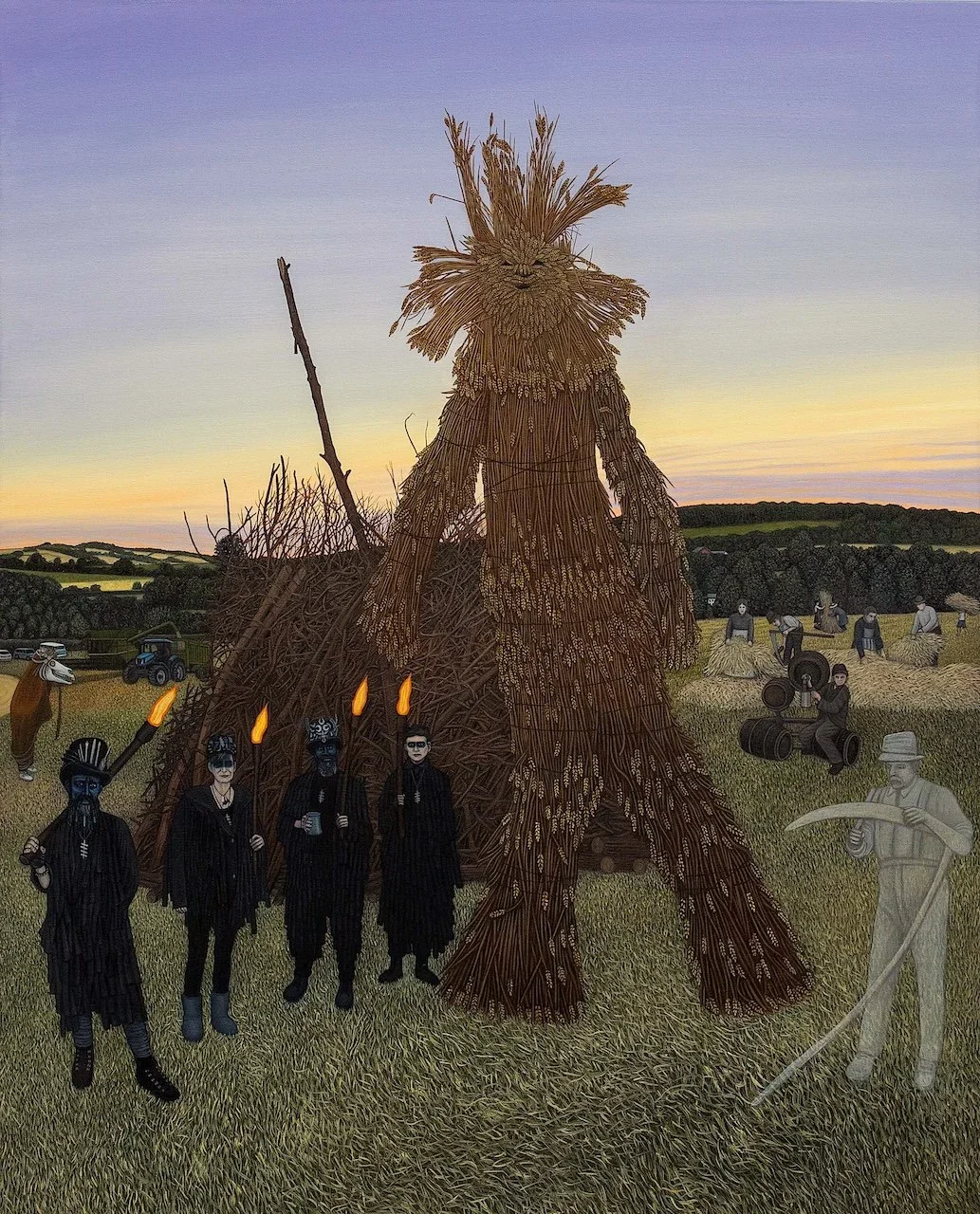
John Barleycorn Must Die is inspired by the harvest traditions surrounding John Barleycorn, the folkloric embodiment of the grain whose annual death and rebirth has long symbolised the changing seasons. Closely associated with the ancient festival of Lughnasadh, the tale tells of barley being cut down before returning as bread and beer, with the mischievous suggestion that John Barleycorn takes his revenge through the inevitable hangover.
The painting was inspired by a visit to the Blackthorn Ritualistic Folk Group in Herefordshire, where a towering effigy of John Barleycorn was due to be burned at the close of the celebrations. Owing to the heightened wildfire risk during an intense heatwave, the ritual was cancelled, transforming the unlit effigy into an unexpected reflection on our changing climate. In the foreground, Morris dancers stand poised with flaming torches that can no longer be used to ignite the figure, creating a poignant tension between an ancient harvest ritual and the realities of the climate crisis. Across a sun-scorched harvest landscape, harvesters, spectral figures, modern machinery and parked cars coexist, where ancient customs and contemporary life become inseparable.

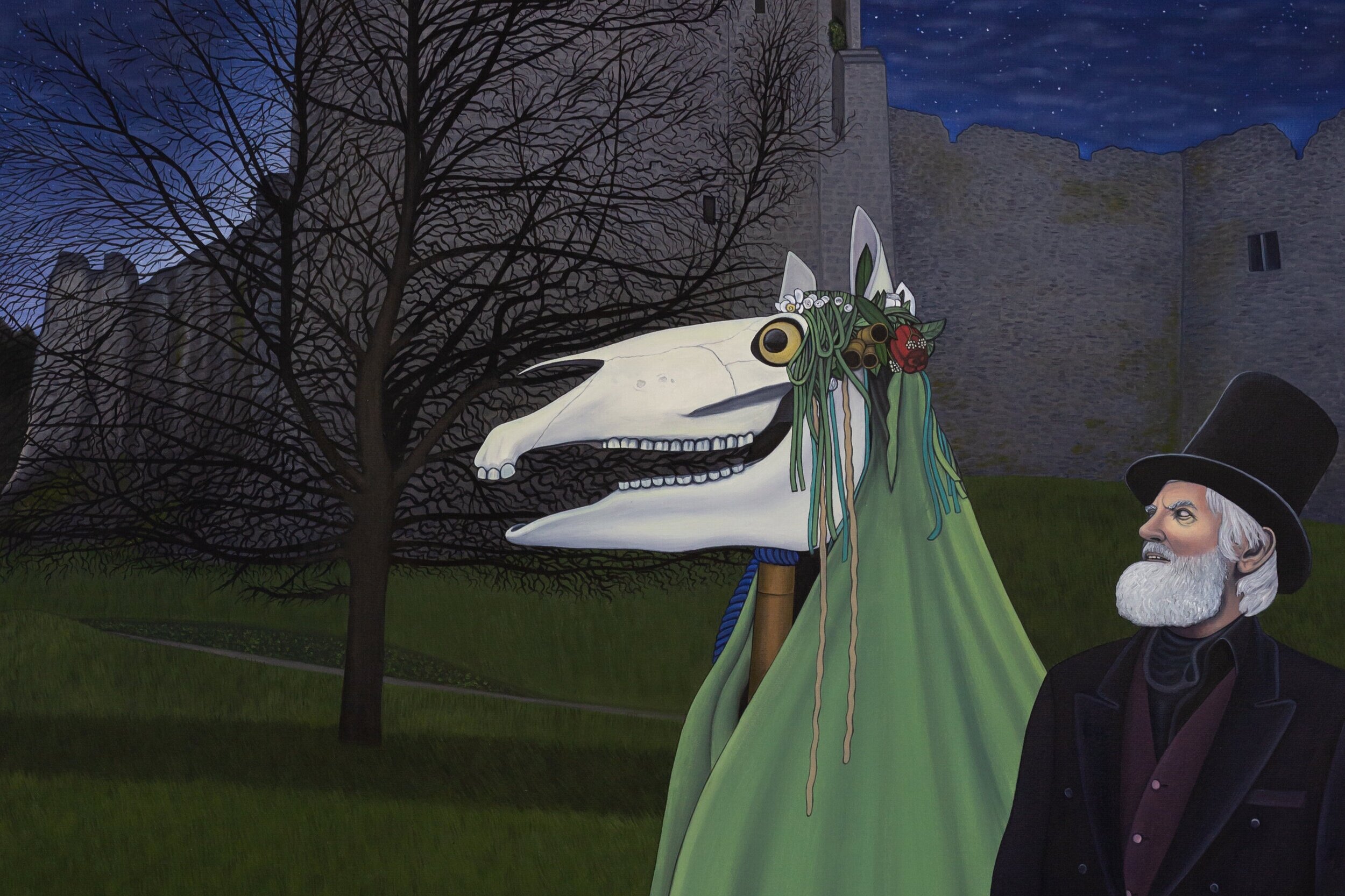
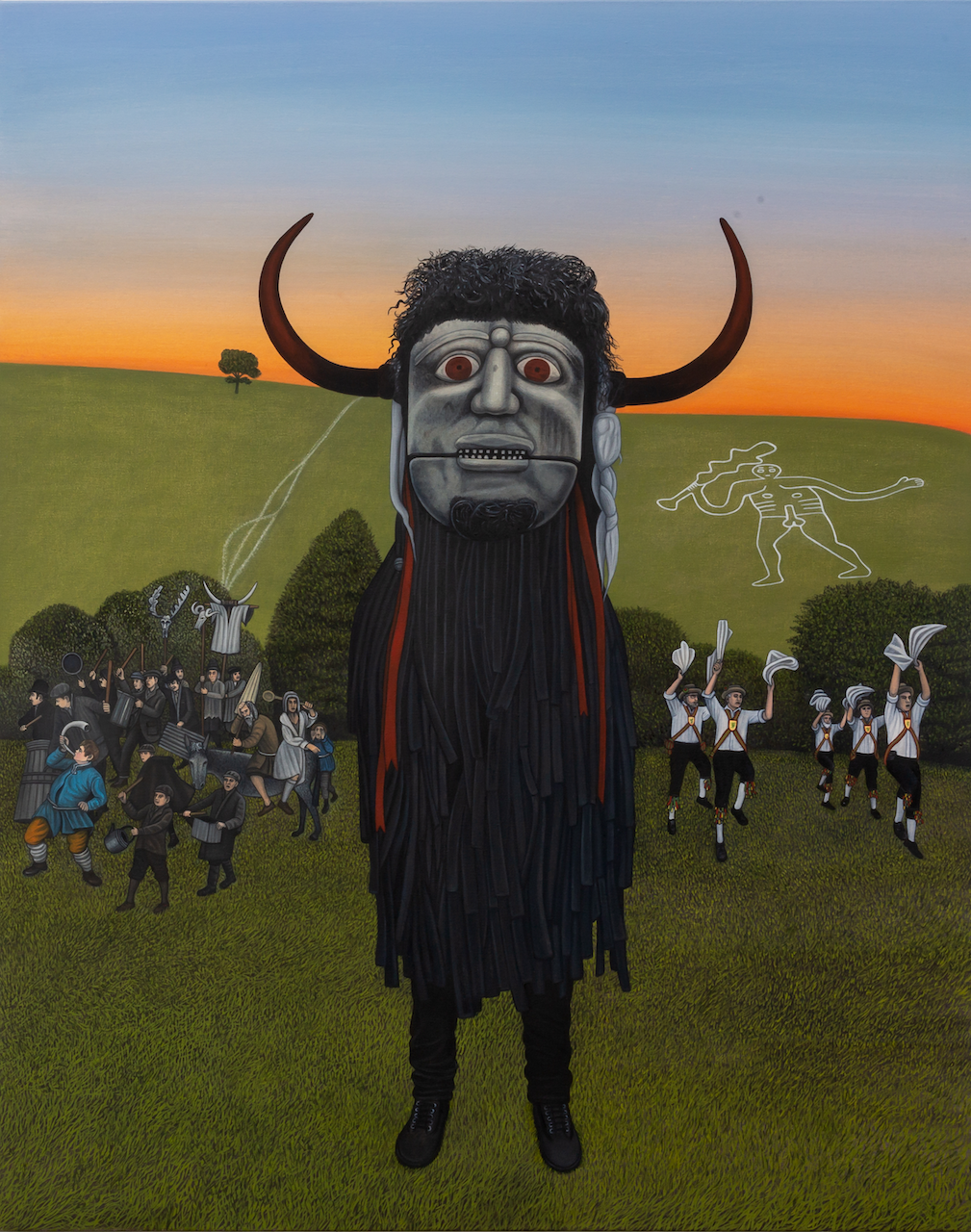
The Dorset Ooser draws upon one of Britain's most enigmatic folk traditions. Originating in the village of Melbury Osmond, Dorset, the horned mask has long been associated with mystery, transformation and communal ritual. Although its precise origins remain uncertain, historical records suggest it was used in charivari customs, also known as skimity riding or rough music, where communities publicly shamed perceived wrongdoers through ritual processions involving effigies, masked figures, music and theatrical performance.
The original Dorset Ooser disappeared in 1897 but was painstakingly recreated in 1975 from historic photographs, allowing the tradition to continue. Today, it is carried each May by the Wessex Morris Men during celebrations at the Cerne Abbas Giant, while a contemporary interpretation, known as the Darkest Ooser, has been created by Jamie of the Blackthorn Ritualistic Folk Group, where it appears as a commanding beast-like presence within their ceremonies and Border Morris performances.
For me, the Dorset Ooser embodies folklore's remarkable ability to evolve across generations. While deeply rooted in Dorset, some have suggested the mask may itself have origins beyond Britain's shores, reminding us that Britain's cultural identity has never been fixed or isolated, but continually shaped through movement, exchange and reinvention. At the same time, the Ooser speaks to humanity's enduring fascination with embodying fear through ritual and performance. Beast-like figures such as this appear in cultures across the world, whether as a source of amusement, social theatre or a symbolic confrontation with the darker and more mysterious forces perceived within nature.

Oil on Canvas - 45cm X 60cm
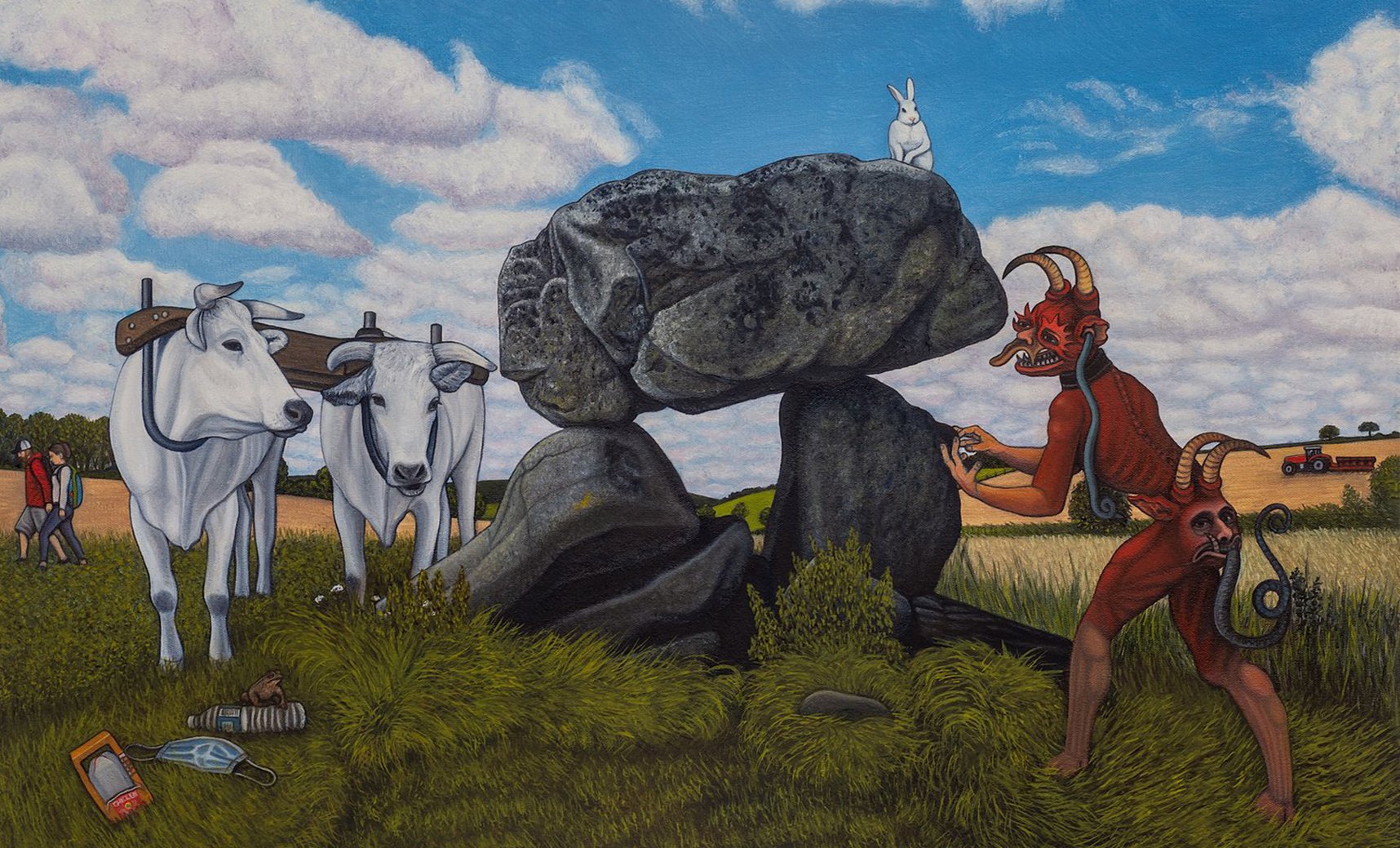
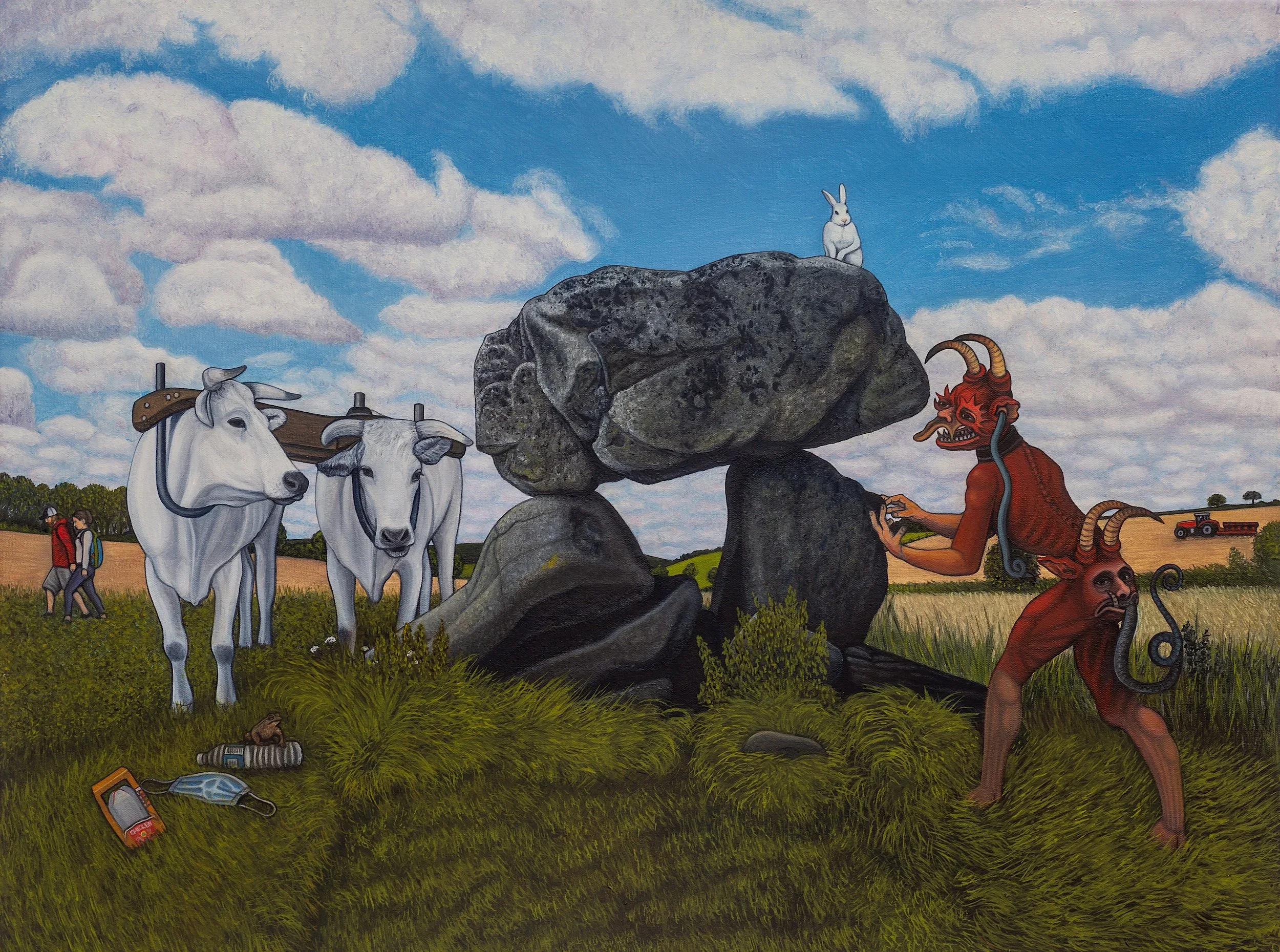
The Devil's Den is the remnant of a neolithic burial chamber known as a ‘Dolmen’ situated on the Fyfield downs, Wiltshire, where many of the great stones were sourced by the builders of the west countries most iconic ancient monuments, including Avebury and Stone Henge.
In local folklore it is said that every night at midnight the Devil himself arrives with eight white oxen in an attempt to pull off the capstone but to no avail. A white rabbit with fiery eyes is also said to sit on top and offers his encouragement and advice. It is also local belief that if a good child runs around the Devils Den seven times that nothing will happen, but if a bad child does the same they will be met by a fire breathing toad. The Devil and stone monuments have had a long lasting association and are a reminder of a time when the church demonised the old gods and anything perceived to be associated with paganism in an ongoing campaign to convert the population to Christianity.
FRONTLINE FOLKLORE SERIES

Oil On Canvas - 100cm X 90cm
Hunting the Earl of Rone is a custom that takes place in the village of Combe Martin, Devon during the May Spring Bank Holiday weekend. The procession was originally banned in 1837 due to licentiousness and drunken behaviour but was revived in 1974. According to local legend the Earl of Rone was a man named Hugh O’Neill, that was forced to flee his Native Ireland to avoid capture and execution by the British that had marked him as a wanted man for his part in the Irish rebellion. Whilst attempting to reach the shores of France he got caught in a storm and was shipwrecked and landed on a local bay known as Raparee Cove, where he hid in the woods surviving only on the ships sea biscuits where he was eventually discovered by a mob of angry locals. The legend is now commemorated and recreated every year with his imagined capture and execution.

Oil on canvas - 30cm x 25cm
Every year on the first or second Sunday of February the annual Clown’s church service takes place at the All Saints church in Haggerston, London, where clowns gather from all over the British Isles and even abroad to remember the life of the pioneer of modern clowning, Joey Grimaldi (1778 - 1837). The service originally took place in 1946 at Grimaldi’s graveside at the old St James Church, Pentonville Road, Islington, and then moved to the Holy Trinity Church in Dalston, also known as ‘The Clowns Church’ that up until last year housed a museum and archive including the Clowns Egg Register, a custom that clowns use to trademark their individual clown face designs by painting the patterns on to eggs. Over the years the service has grown in popularity and had to be moved to its current venue to accommodate the growing numbers of clowns, worshipers and members of the general public that wish to pay their respects to Grimaldi.

Oil on Canvas - 30cm x 25cm
Every year on the last Sunday of September, starting at Guildhall square and then ending up at the St Mary Le Bow church the London tradition of the Pearly Kings and Queens Harvest Festival takes place. The custom itself of the Pearly Kings and Queens was founded in the 19th century by Henry Croft who was an orphan, road sweeper and rat catcher from Somers Town, London, who after noticing the costermongers (a person who sells goods, especially fruit and vegetables, from a handcart in the street') practice of wearing buttons sewed on to their clothes as a way of recognising and helping one another was inspired to begin covering his own clothes with pearl buttons to attract attention to himself whilst out raising money for local orphanages and other charities. As his popularity and demand grew he soon appointed various Pearly Kings, Queens, Princes and Princesses from each London borough and in 1911 an official organised Pearly society was formed. The tradition is still thriving today and much like the actual
royal family the honours and titles are inherited and passed down and kept within the original Pearly families.

Oil on canvas - 50cm X 40cm
The Hallaton Hare Pie Scramble and Bottle Kicking tradition takes place annually on Easter Monday in the village of Hallaton, Leicestershire. The custom begins with a procession that ends up at the local church where the Hare pie scramble begins. The local folklore on the origins of the Hare pie is to do with the lucky escape of a well to do lady, who once upon a time lived upon the hill now known as 'Hare Pie Bank' on which whilst out walking was charged at by a ferocious bull, when seemingly out of nowhere a Hare ran from the bushes and into its path saving her from death or serious injury.
To celebrate her escape she gave a yearly sum of money to the local parish to make two large Pies and to supply two kegs of beer (known locally as bottles) to be shared out to the poor of the village. This evolved in to somewhat of a scramble as people fought with the men of the neighbouring village of Medbourne that soon crashed the event in an attempt to steal the 'bottles' of beer for themselves. The Hallaton men would then respond by fighting back and retrieving the stolen goods and the game now known as 'Bottle Kicking' evolved from there. The same game that locals believe inspired William Webb Ellis, the inventor of Rugby to pick up a football and run with it after witnessing the game first hand whilst visiting his aunt that lived in the town.
Other local beliefs is that the pie is a continuation of a Pagan tradition in which Hares were sacrificed to the spring goddess ‘Eostre’ who’s name later evolved into the word ‘Easter’ the Christian replacement for the old Pagan celebration.

Oil on Canvas - - 80cm x 70cm
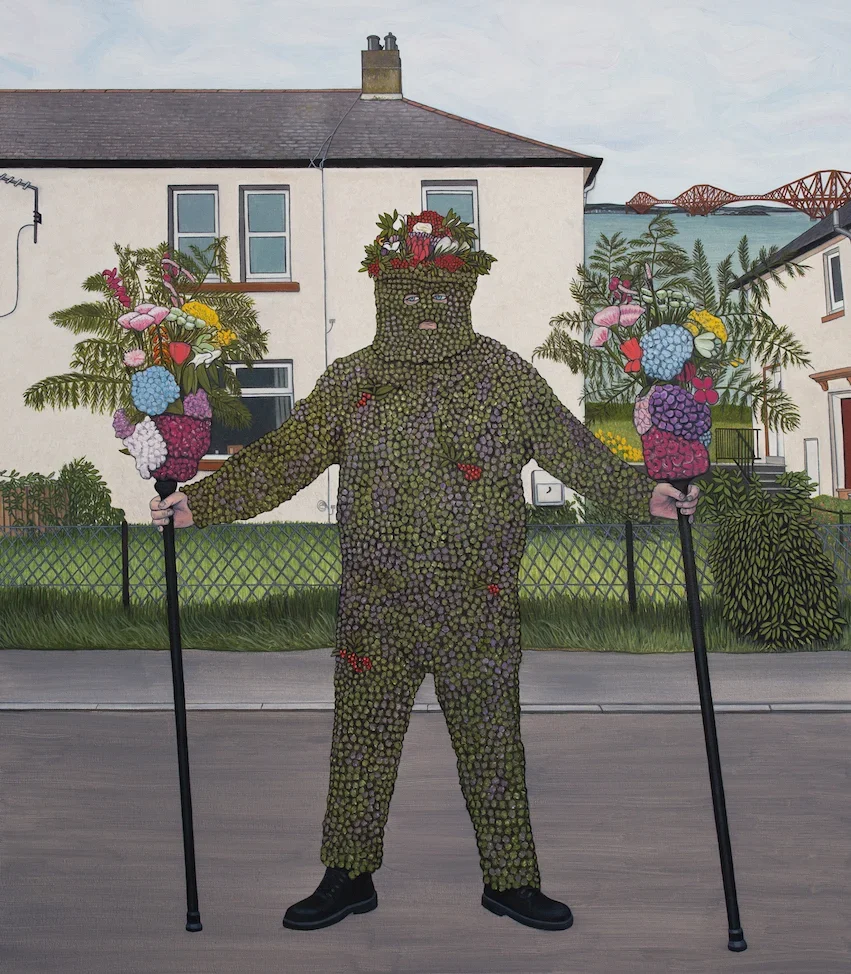
The tradition of the Straw Bear, that is also found in parts of Germany, Austria, the Czech Republic and Poland, is believed to have originated from the medieval carnival figure of the Wild Man or as a ritualistic expulsion of winter connected to fertility rites and bountiful harvest traditions. The Straw Bear of Whittlesea I was told by locals was originally started by farmers on the Tuesday following Plough Monday, that would go from door to door to entertain spectators in return for beer, tobacco and beef to help them through the tough months of winter. If they failed to oblige their front lawns would fall victim to the ploughs of the plough boys that accompanied the straw bears. It is also speculated to have origins going back to the real dancing bears that used to be paraded through the streets and taverns in medieval times much like the Straw Bear is today. This year was a special year with it being 40 years since the Straw Bear custom was revived in Whittlesey. Prior to its revival the tradition was stopped in 1908 due to drunk and disorderly behaviour.
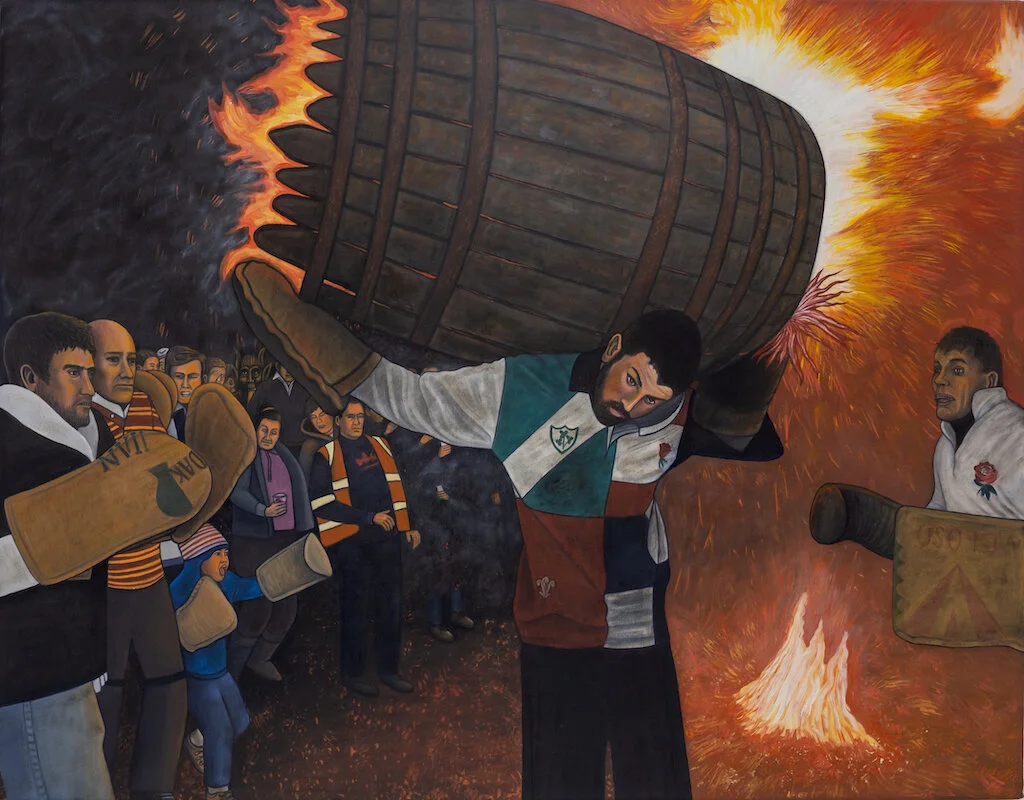
Oil on Canvas - 65cm X 80cm
The Flaming Tar Barrels of Ottery St Mary in Devon is an annual festival that takes place on the 5th of November and is believed by the locals to go all the way back to the precursor of Halloween, the ancient fire festival of Samhain where the veil between the living and the dead was at its thinnest and spirits could wander back from the after life and bonfires were lit as a way of deterring evil spirits. In Ottery residents run with the flaming tar barrels hoisted on their backs beginning with the children’s Barrel’s that starts mid afternoon, and ending with the honoury Midnight Barrel that is the largest and most dangerous of all! To participate you must have been born in the town and despite the obvious dangers it is considered a great honour to take part in the ancient tradition that has been kept alive and passed down by their ancestors for centuries. The event is not only dangerous for those taking part, but equally for the spectators alike, as the unpredictable ever changing direction of the Barrels causes panic in the densely packed streets, as the mass body of the crowd sways, splits and falls off, crushing itself up against the buildings of the town square where the majority gather.
frontline folklore: the film
Come on a journey through the British Ritual Year of 2019 in this documentary of twenty remarkable folk customs, capturing the pre-covid ritual landscape of Britain.
SHOP
A3 Giclée Print
305gsm Fine Art Rag, 100% Cotton
Collector’s Edition of 10
Signed and numbered by the artist
This painting will never be reproduced at this size again, making this a strictly limited edition of just 10 prints.
Each print is accompanied by a gold-foiled Certificate of Authenticity and presented in an acid-free archival paper envelope for safe long-term storage.
The print is carefully packaged and sent flat in a rigid, protective box to ensure it arrives safely and in perfect condition.
For every edition sold, a new tree will be planted.
A3 Giclée Print
305gsm Fine Art Rag, 100% Cotton
Collector’s Edition of 10
Signed and numbered by the artist
This painting will never be reproduced at this size again, making this a strictly limited edition of just 10 prints.
Each print is accompanied by a gold-foiled Certificate of Authenticity and presented in an acid-free archival paper envelope for safe long-term storage.
The print is carefully packaged and sent flat in a rigid, protective box to ensure it arrives safely and in perfect condition.
For every edition sold, a new tree will be planted.
A3 Giclée Print
305gsm Fine Art Rag, 100% Cotton
Collector’s Edition of 10
Signed and numbered by the artist
This painting will never be reproduced at this size again, making this a strictly limited edition of just 10 prints.
Each print is accompanied by a gold-foiled Certificate of Authenticity and presented in an acid-free archival paper envelope for safe long-term storage.
The print is carefully packaged and sent flat in a rigid, protective box to ensure it arrives safely and in perfect condition.
For every edition sold, a new tree will be planted.
A3 Giclée Print
305gsm Fine Art Rag, 100% Cotton
Collector’s Edition of 10
Signed and numbered by the artist
This painting will never be reproduced at this size again, making this a strictly limited edition of just 10 prints.
Each print is accompanied by a gold-foiled Certificate of Authenticity and presented in an acid-free archival paper envelope for safe long-term storage.
The print is carefully packaged and sent flat in a rigid, protective box to ensure it arrives safely and in perfect condition.
For every edition sold, a new tree will be planted.
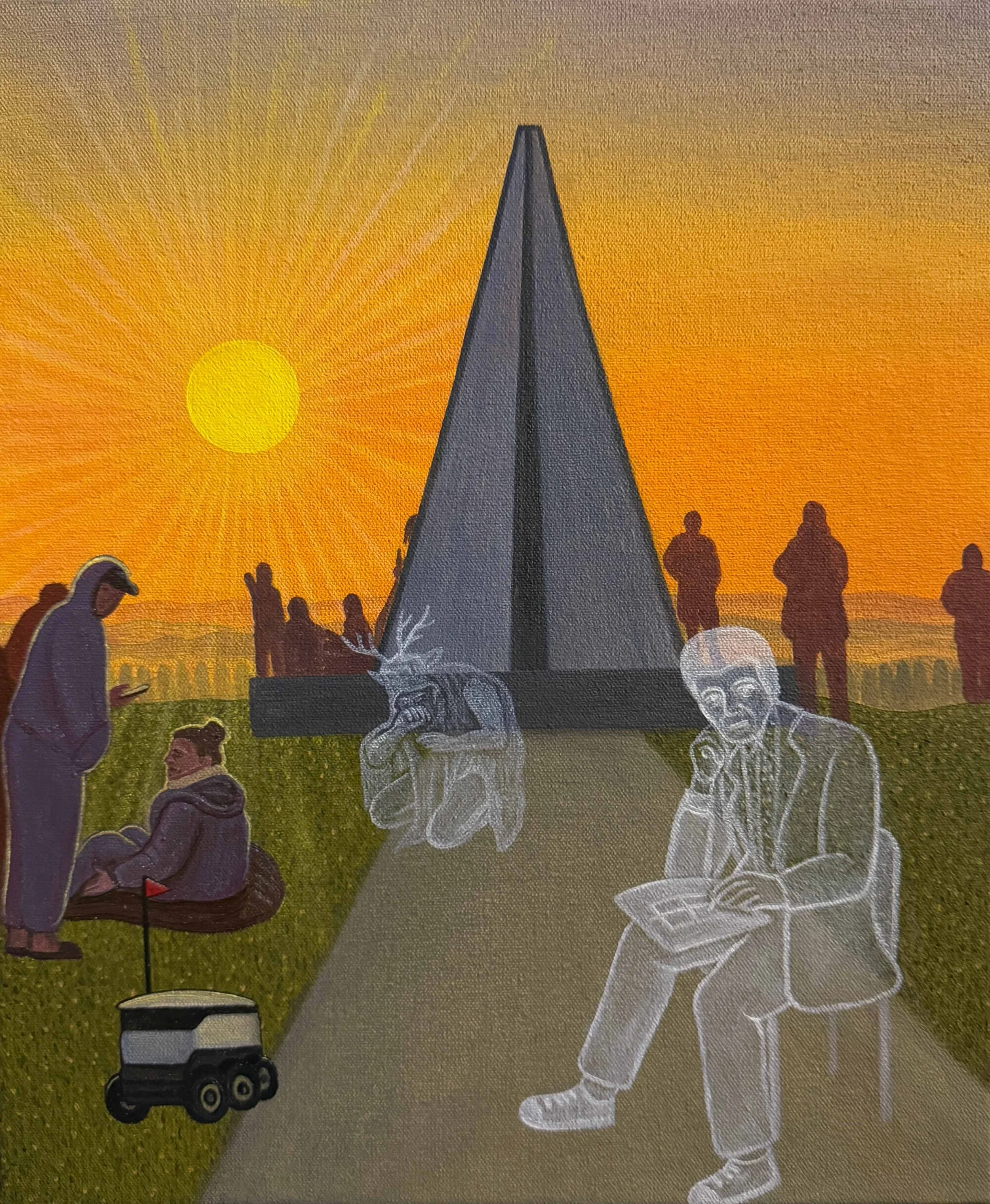
A3 Giclée Print
305gsm Fine Art Rag, 100% Cotton
Collector’s Edition of 10
Signed and numbered by the artist
This painting will never be reproduced at this size again, making this a strictly limited edition of just 10 prints.
Each print is accompanied by a gold-foiled Certificate of Authenticity and presented in an acid-free archival paper envelope for safe long-term storage.
The print is carefully packaged and sent flat in a rigid, protective box to ensure it arrives safely and in perfect condition.
For every edition sold, a new tree will be planted.
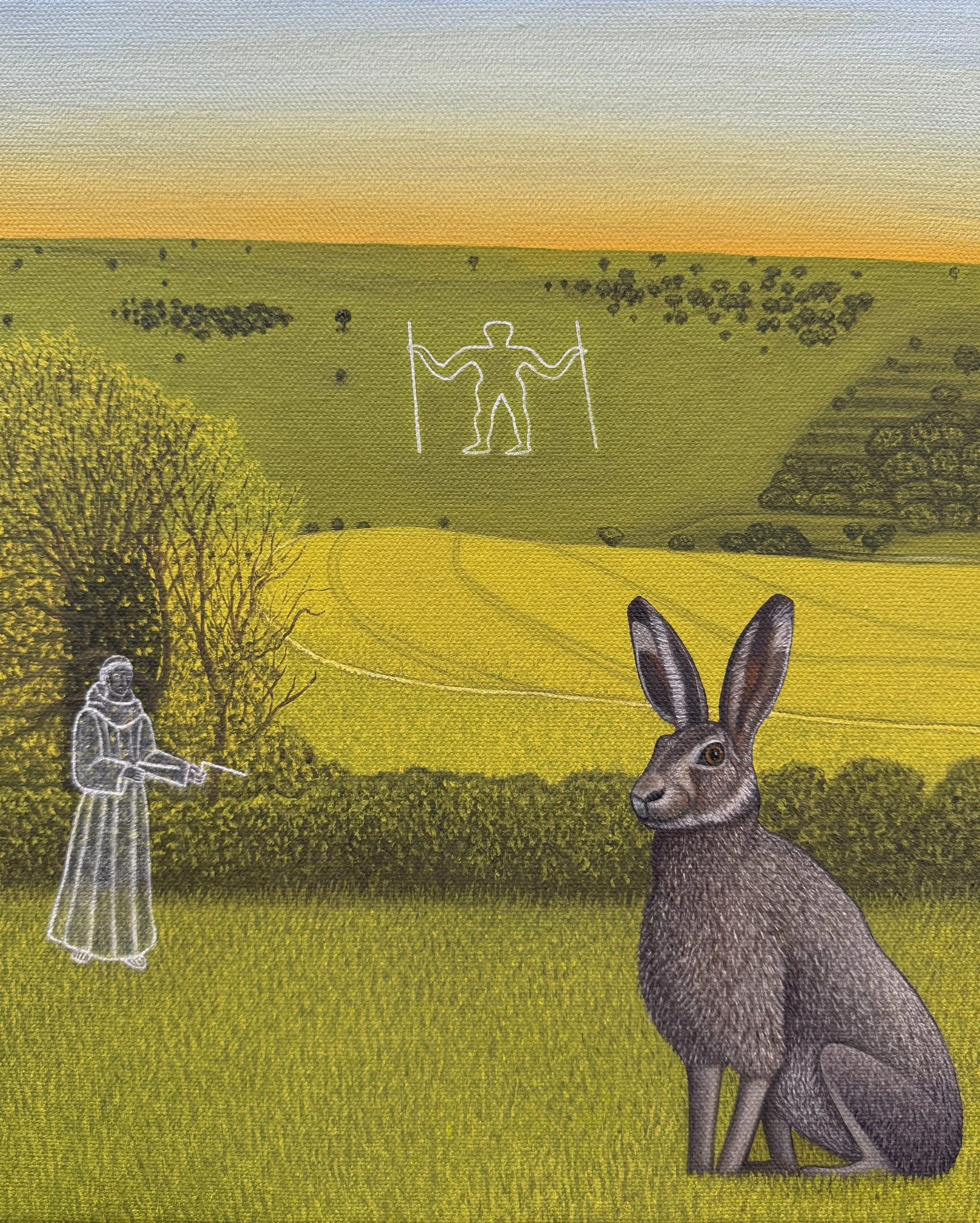
A3 Giclée Print
305gsm Fine Art Rag, 100% Cotton
Collector’s Edition of 10
Signed and numbered by the artist
This painting will never be reproduced at this size again, making this a strictly limited edition of just 10 prints.
Each print is accompanied by a gold-foiled Certificate of Authenticity and presented in an acid-free archival paper envelope for safe long-term storage.
The print is carefully packaged and sent flat in a rigid, protective box to ensure it arrives safely and in perfect condition.
For every edition sold, a new tree will be planted.
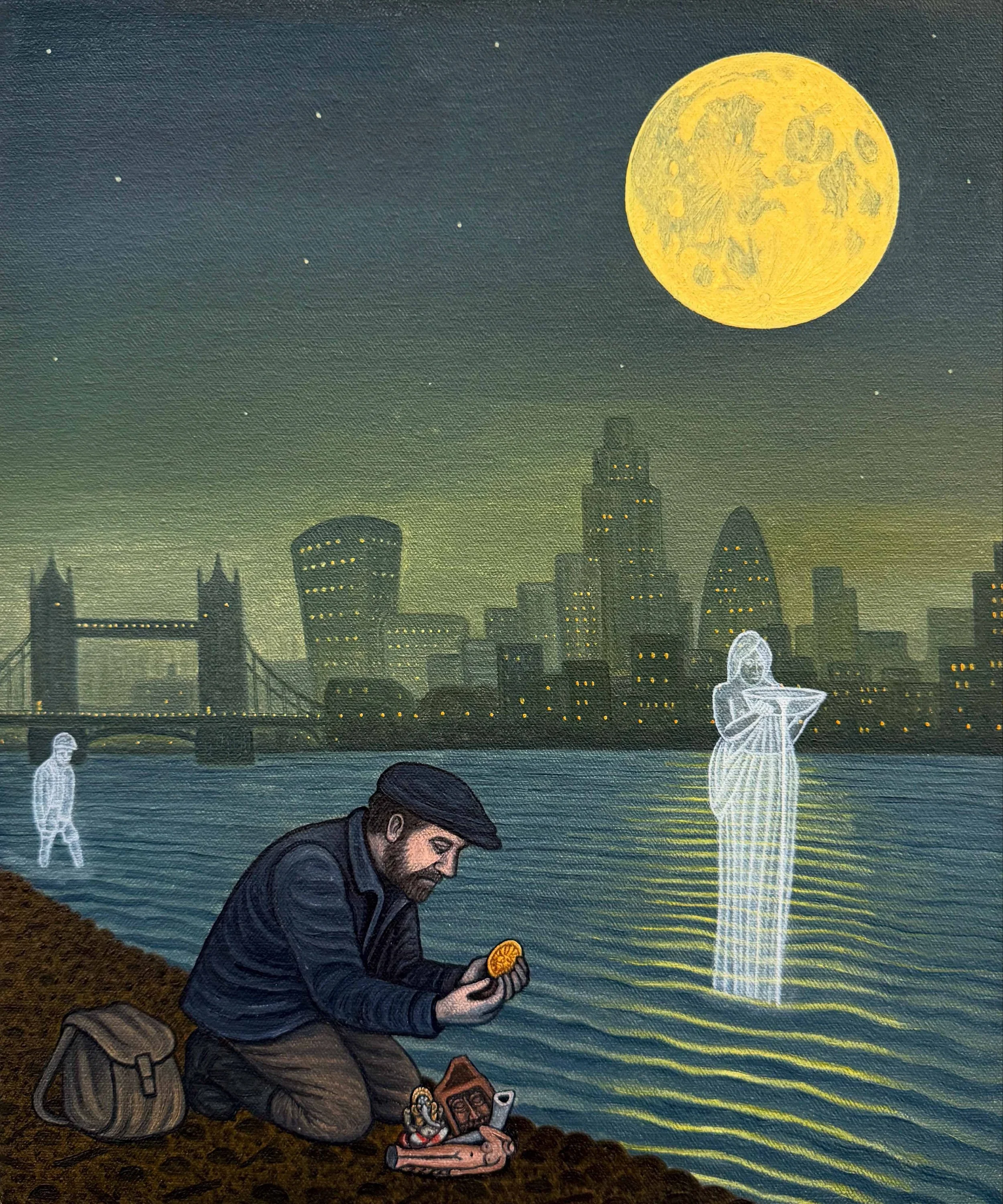
A3 Giclée Print
305gsm Fine Art Rag, 100% Cotton
Collector’s Edition of 10
Signed and numbered by the artist
This painting will never be reproduced at this size again, making this a strictly limited edition of just 10 prints.
Each print is accompanied by a gold-foiled Certificate of Authenticity and presented in an acid-free archival paper envelope for safe long-term storage.
The print is carefully packaged and sent flat in a rigid, protective box to ensure it arrives safely and in perfect condition.
For every edition sold, a new tree will be planted.
A3 Giclée Print
305gsm Fine Art Rag, 100% Cotton
Collector’s Edition of 10
Signed and numbered by the artist
This painting will never be reproduced at this size again, making this a strictly limited edition of just 10 prints.
Each print is accompanied by a gold-foiled Certificate of Authenticity and presented in an acid-free archival paper envelope for safe long-term storage.
The print is carefully packaged and sent flat in a rigid, protective box to ensure it arrives safely and in perfect condition.
For every edition sold, a new tree will be planted.
A3 Giclée Print
305gsm Fine Art Rag, 100% Cotton
Collector’s Edition of 10
Signed and numbered by the artist
This painting will never be reproduced at this size again, making this a strictly limited edition of just 10 prints.
Each print is accompanied by a gold-foiled Certificate of Authenticity and presented in an acid-free archival paper envelope for safe long-term storage.
The print is carefully packaged and sent flat in a rigid, protective box to ensure it arrives safely and in perfect condition.
For every edition sold, a new tree will be planted.
INSTAGRAM / Latest news
Follow Ben Edge on Instagram for latest news and more.....
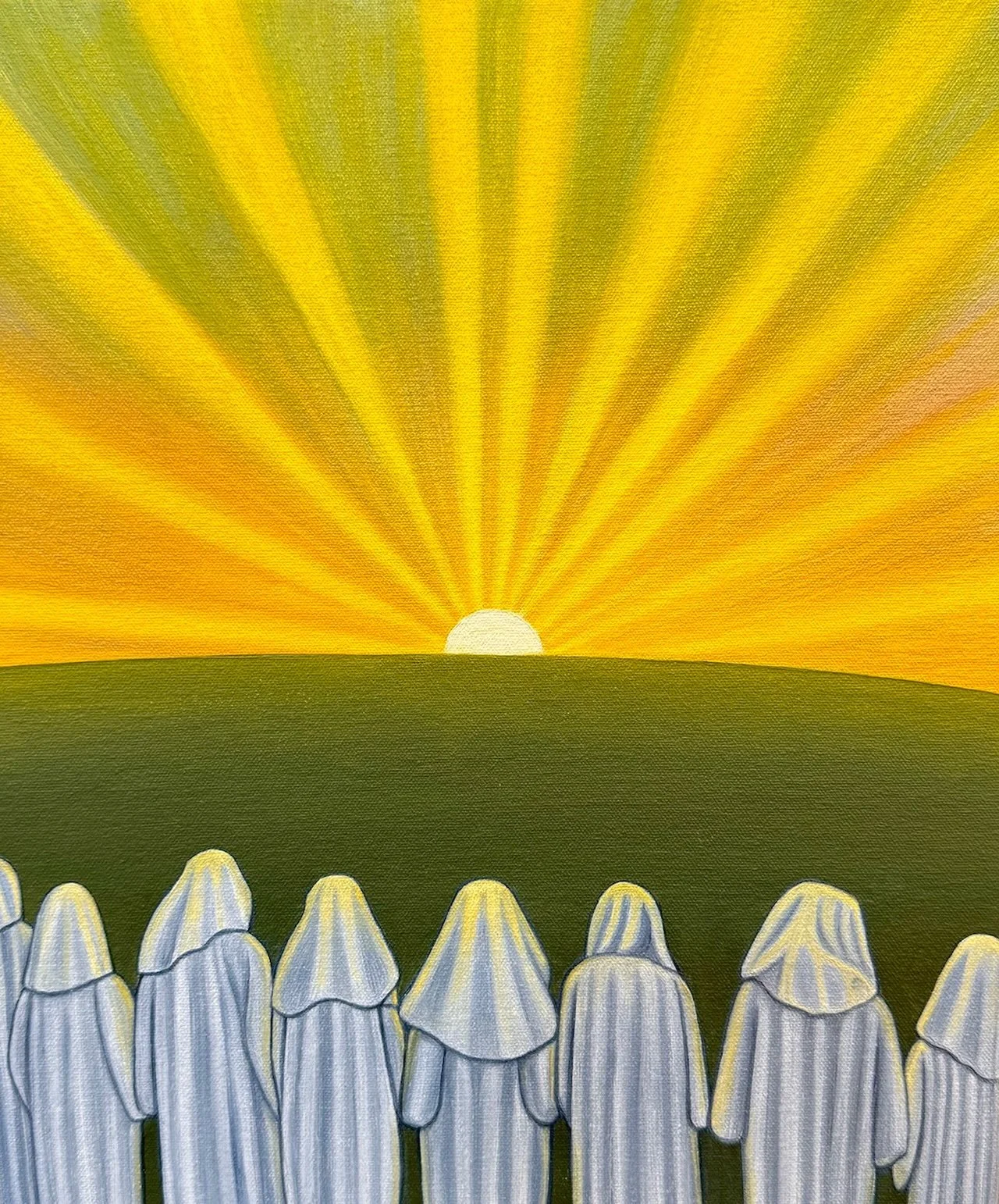
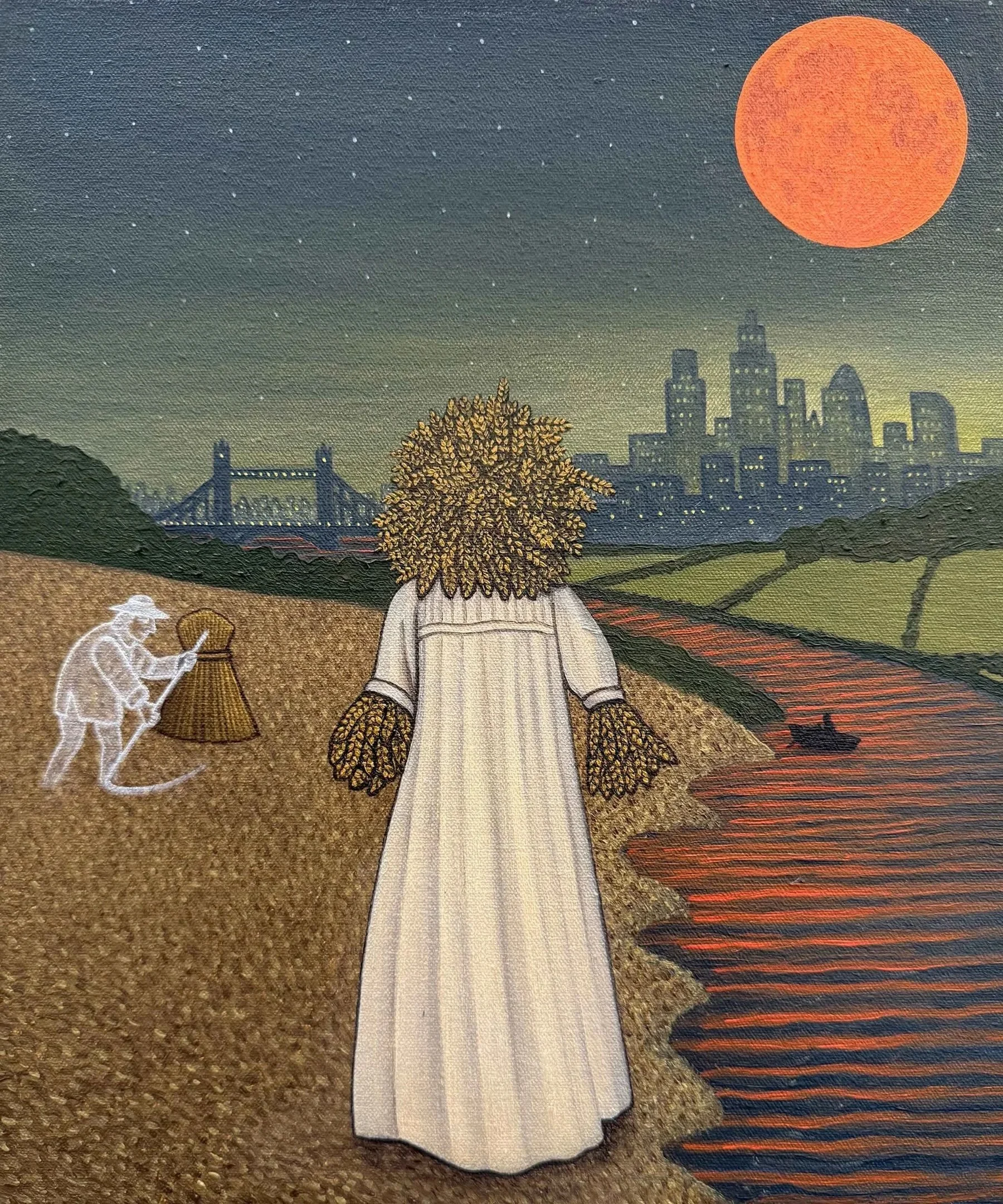
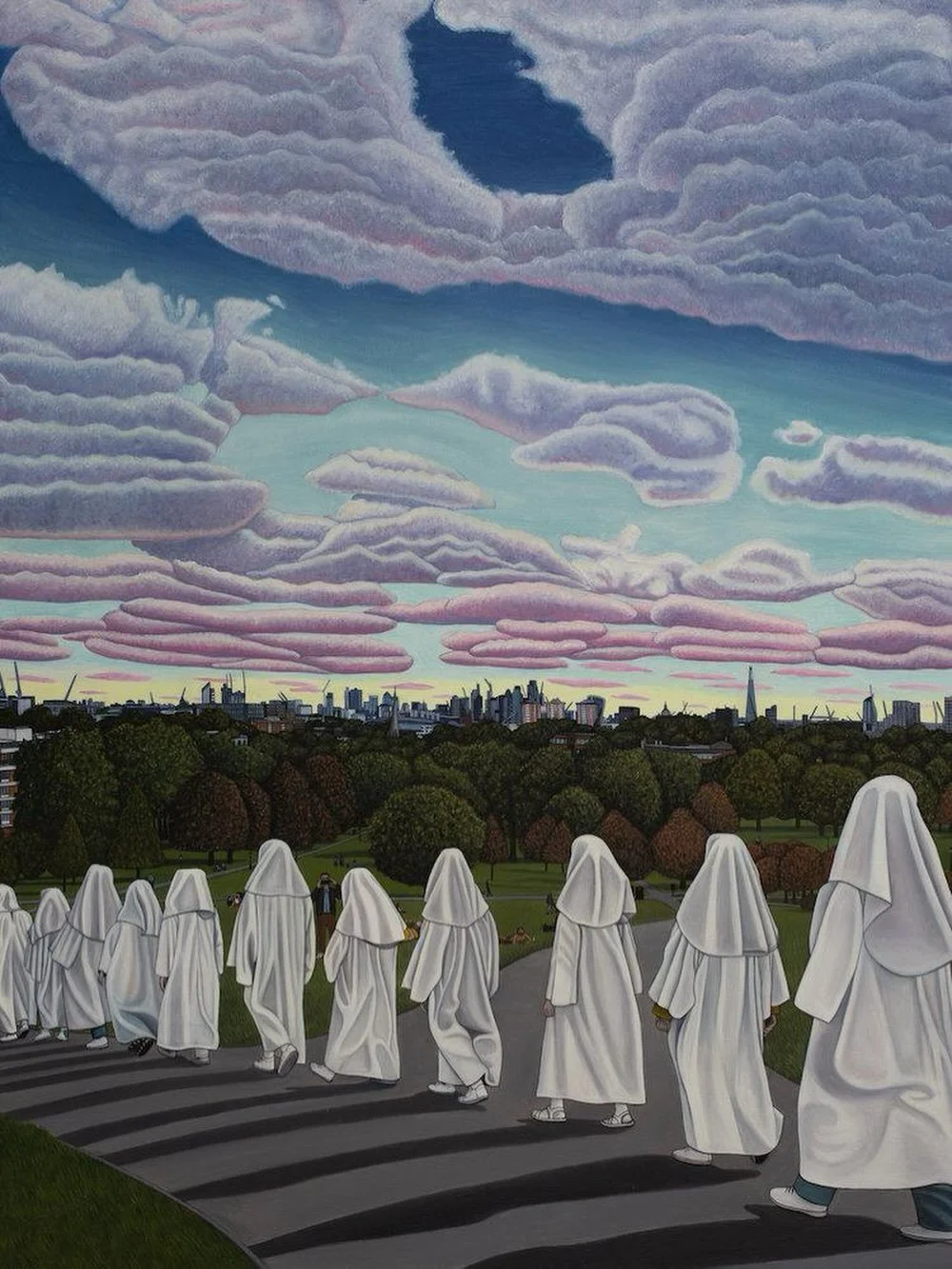
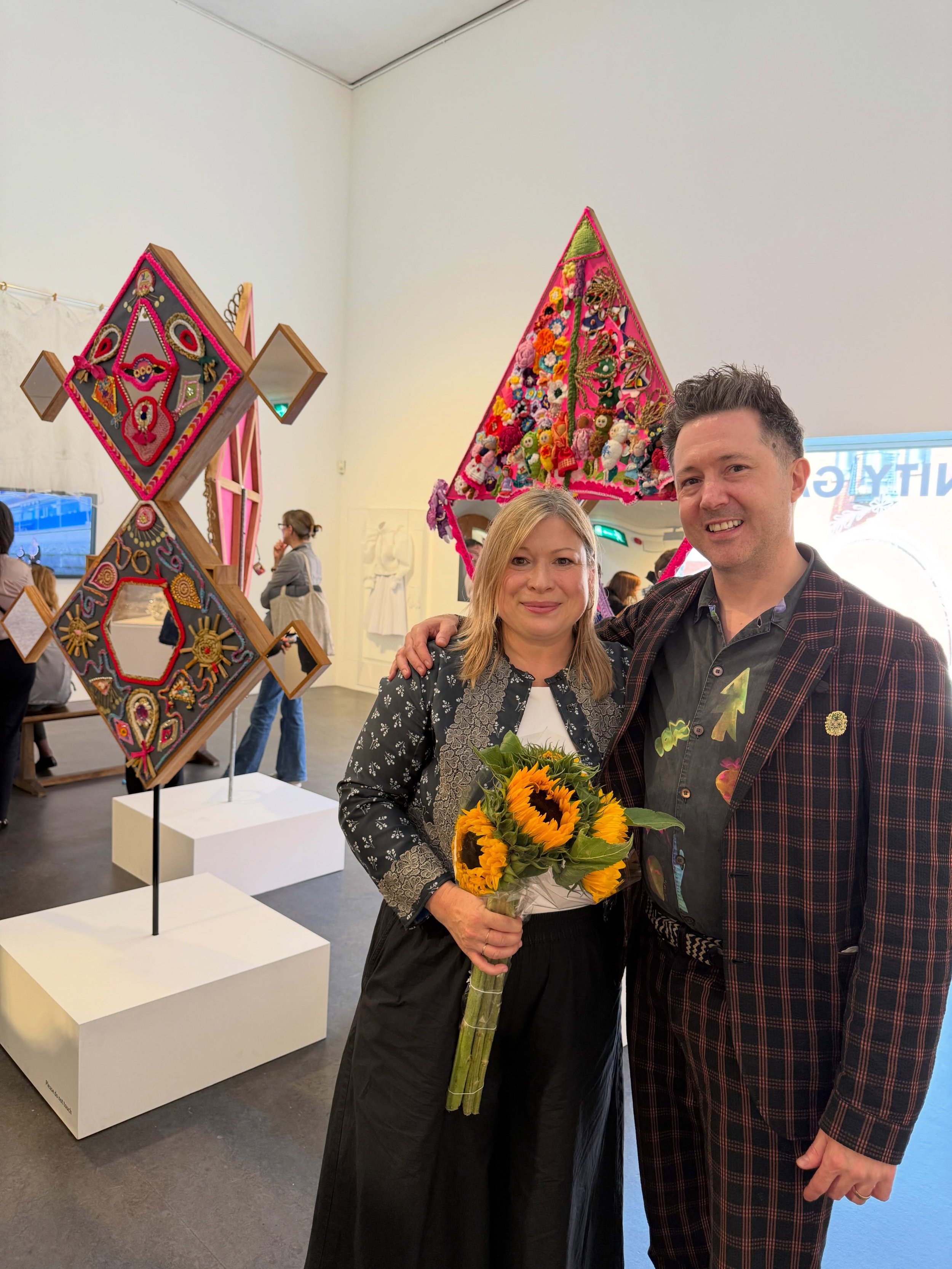
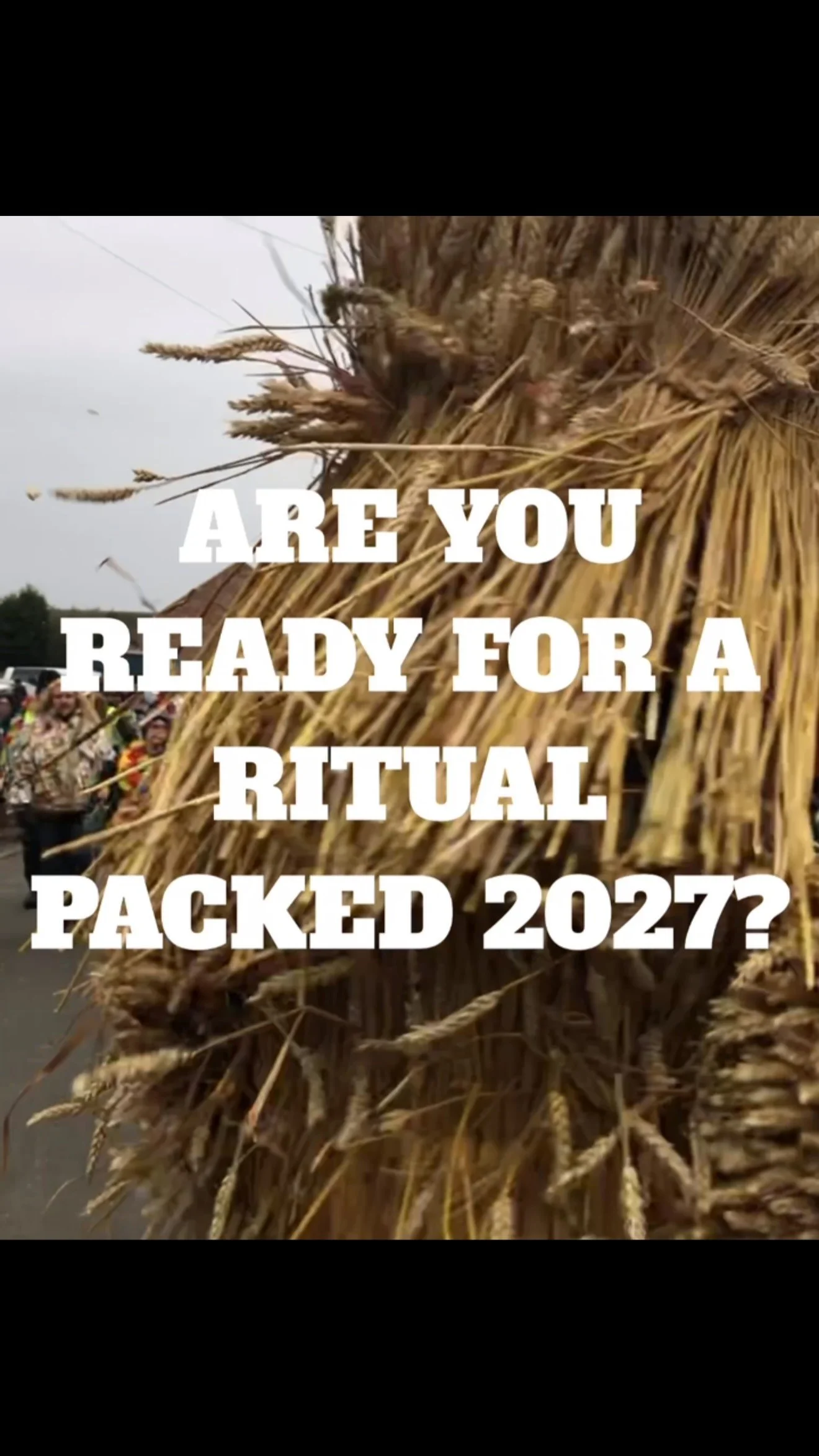
🔥 Limited Edition Ritual Britain 2027 Calendars – Pre-Order Now! 🔥
It’s time! My Ritual Britain 2027 calendar – now in its 7th year – is officially available to pre-order via my web shop.
I’m incredibly proud to say that the calendar has sold out six years in a row, and this year’s edition features 13 of my paintings (cover included), all different from last year’s calendar, including old favourites alongside brand new works.
And this year it’s bigger than ever! I’ve spent a huge amount of time researching and adding new dates, and the calendar now contains over 400 folk customs, traditions, full moons and seasonal revelries spread across the year, guiding you through a ritual-rich 2027. 🌙✨
As always, the calendars are produced in a limited edition and will not be reprinted once they sell out. With the previous six editions all selling out, pre-ordering is strongly recommended to avoid missing out.
📦 Calendars will ship throughout November.
Please note: if you order any additional items alongside your calendar, your whole order will be dispatched together when the calendar ships. If you would like other items sooner, I recommend placing a separate order.
👉 Pre-order your copy now before they’re gone!